
The Best TV Shows on Nine Network
Every Nine Network Show Ranked From Best To Worst
Stay up-to-date with over 20 of Nine Network’s elite series, with our list refreshed for October 2026. Nine Network has delivered an expansive roster of over 20 shows, dating from 1968 all the way to 2016. Among Nine Network’s finest offerings are Skippy the Bush Kangaroo and The Sullivans, which debuted in 1968 and 1976, respectively.
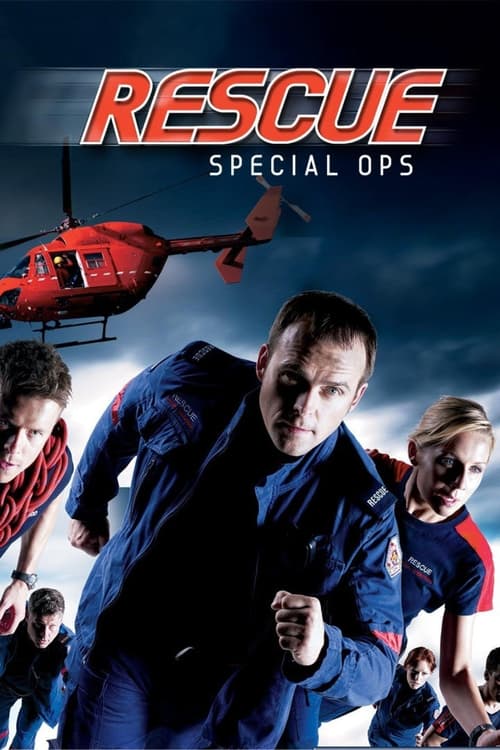 Rescue: Special Ops (2009)9.1
Rescue: Special Ops is an Australian television drama series that first screened on the Nine Network in 2009. Filmed in and around Sydney, the program is produced by Southern Star Group with the assistance of Screen Australia and the New South Wales Government. This drama series focuses on a team of experienced professional paramedics who specialise in rescue operations. It premiered on Sunday 2 August 2009, and the season finale of the first season aired on Sunday 25 October. A second season screened from 28 June 2010. The third and final season consisting of 22 episodes screened from 30 May 2011. The Nine Network has confirmed it will not be renewing Rescue Special Ops for a fourth season.
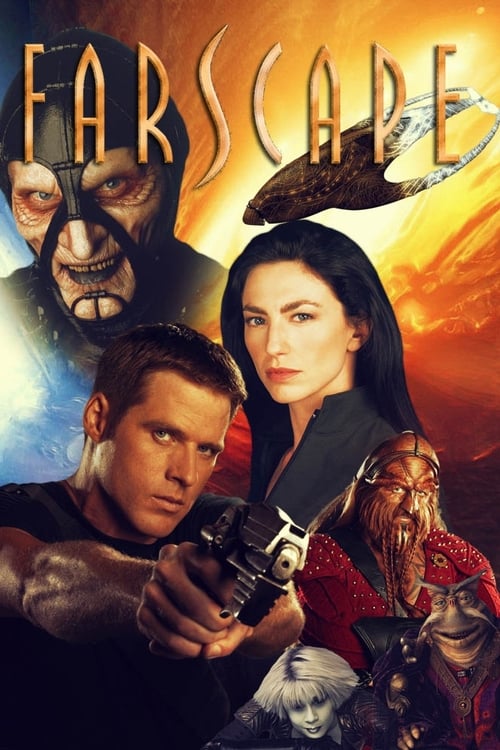 Farscape (1999)7.9
A freak accident during an experimental space mission catapults Astronaut John Crichton across a thousand galaxies to an alien battlefield.
 Spellbinder (1995)7.7
A group of teenagers go on a school camp in the Blue Mountains in Australia. While at the camp, Paul Reynolds accidentally goes into a parallel universe. This other world is inhabited by a more hierarchic and technologically different society, ruled by a group of people known as Spellbinders.
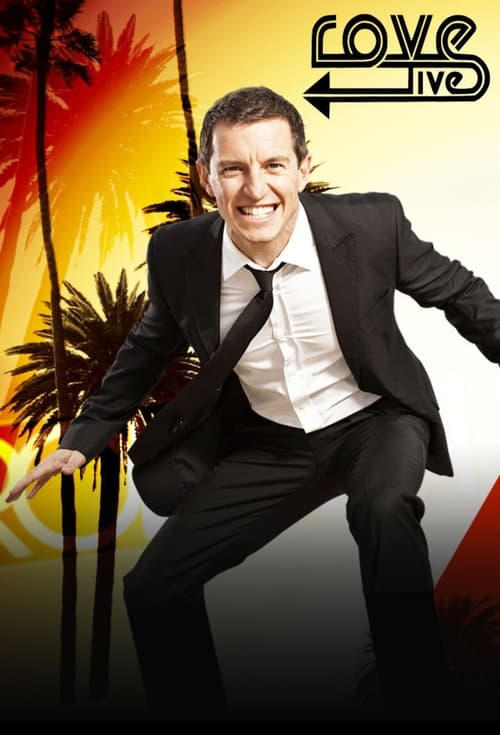 Rove (1999)7.5
Rove, formerly Rove Live, was an Australian television variety show which premiered on the Nine Network on 22 September 1999, before moving to Network Ten which aired the program from 2000 until November, 2009. The show was hosted by comedian Rove McManus, and featured an ensemble cast, who presented various segments throughout the course of the show. The show won the Logie Award for "Most Popular Light Entertainment Program" five times.
 Married at First Sight (2015)7.5
Working with leading relationship experts, eight Australian singles are carefully match-made into four married couples, who each meet each other - for the very first time - at their wedding. We'll follow them as they marry, honeymoon, meet the in-laws and set up home, all the while getting to know one another more and more deeply, to see if the matchmakers have got it right and they will have a future together.
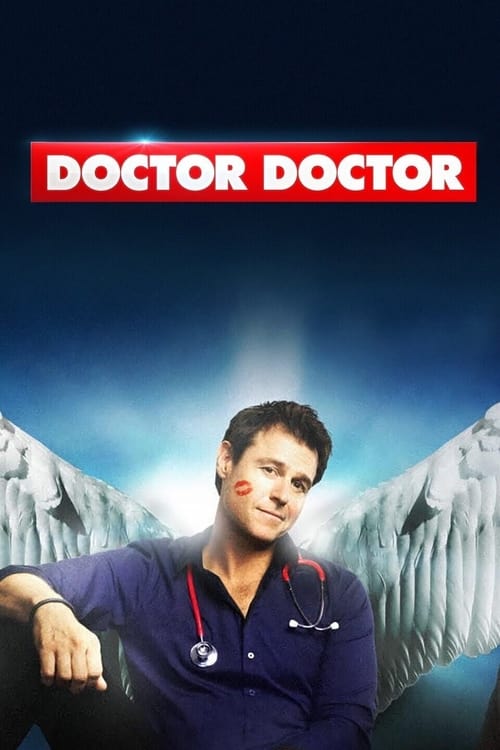 Doctor Doctor (2016)7.4
The story of Hugh Knight, a rising heart surgeon who is gifted, charming and infallible. He is a hedonist who, due to his sheer talent, believes he can live outside the rules. His "work hard, play harder" philosophy is about to come back and bite him.
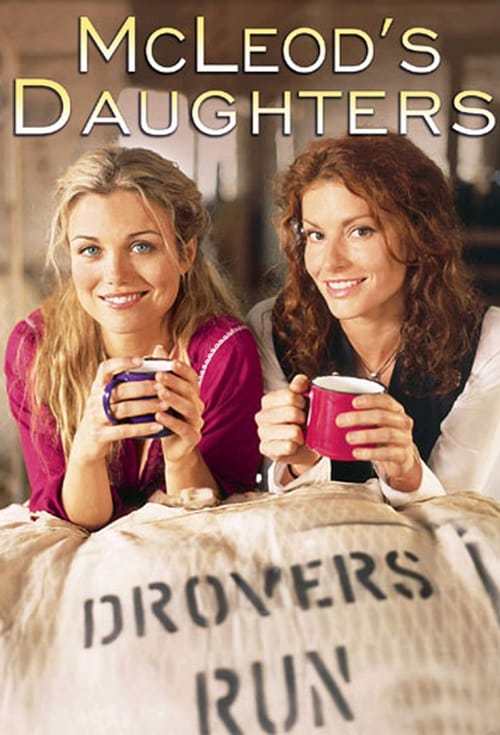 McLeod's Daughters (2001)7.2
When Jack McLeod passes away, his two daughters inherit Drovers Run, a vast cattle ranch in the Australian outback. Ultimately, Tess and Claire decide to run the ranch together, with their housekeeper, Meg, her teenage daughter, Jodi, and a local girl, Becky. Their lives are hard and the obstacles many, but the rewards are every bit as grand as the wild open land they've inherited.
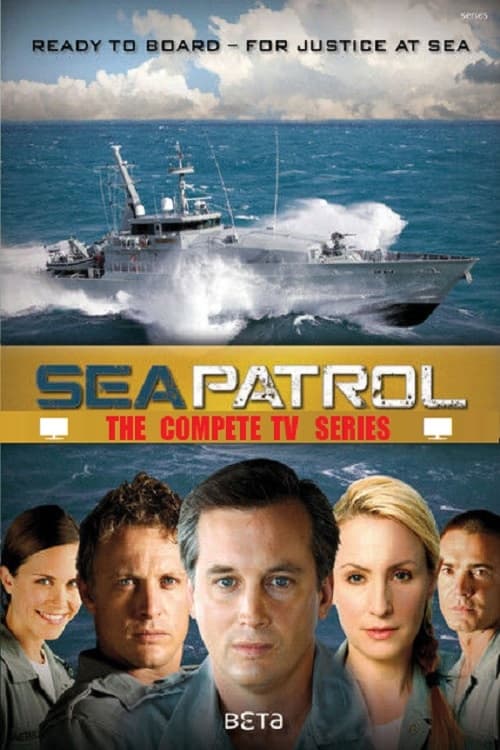 Sea Patrol (2007)7.2
Sea Patrol is an Australian television drama set on board HMAS Hammersley, a fictional patrol boat of the Royal Australian Navy. The series focuses on the ship and the lives of its crew members.
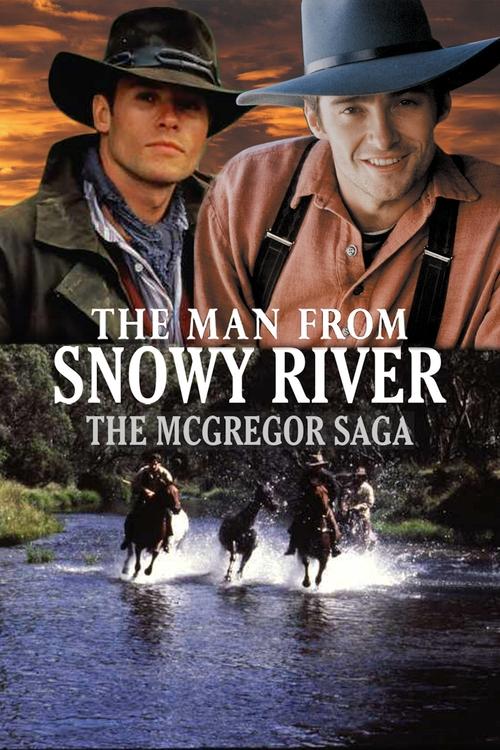 The Man from Snowy River (1994)7.1
The Man from Snowy River is an Australian television series based on Banjo Paterson's poem "The Man from Snowy River". Released in Australia as Banjo Paterson's The Man from Snowy River, the series was subsequently released in both the United States and the United Kingdom as Snowy River: The McGregor Saga. The television series has no relationship to the 1982 film The Man from Snowy River or the 1988 sequel The Man from Snowy River II. Instead, the series follows the adventures of Matt McGregor, a successful squatter, and his family. Matt is the hero immortalized in Banjo Paterson's poem "The Man from Snowy River", and the series is set 25 years after his famous ride.
 Paradise Beach (1993)6.9
Paradise Beach is an Australian television series made by Village Roadshow Pictures. It is associated with New World Television for the Nine Network that aired between 1993 and 1994. The series is set around characters living and working on Queensland's Gold Coast and was filmed largely on location, offering views of crashing waves, golden beaches and scantily clad young women and men. Paradise Beach was intended not only as a rival to Australian soaps Neighbours and Home and Away but also to be the first breakthrough Australian soap to make it in America.
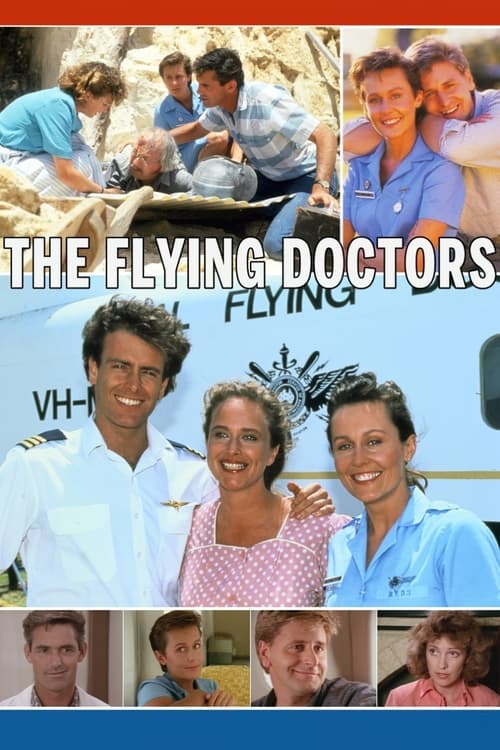 The Flying Doctors (1986)6.6
The Flying Doctors is an Australian drama series produced by Crawford Productions that revolved around the everyday lifesaving efforts of the real Royal Flying Doctor Service of Australia. It was initially a 1985 mini-series based in the fictional outback town of Cooper's Crossing starring Andrew McFarlane as the newly arrived Dr. Tom Callaghan. The success of the mini series led to its return the following year as an on-going series with McFarlane being joined by a new doctor, Chris Randall, played by Liz Burch. McFarlane left during the first season and actor Robert Grubb came in as new doctor Geoff Standish. The series' episodes were mostly self-contained but also featured ongoing storylines, such as Dr. Standish's romance with Sister Kate Wellings. Other major characters included pilot Sam Patterson, mechanic Emma Plimpton, local policeman Sgt. Jack Carruthers and Vic and Nancy Buckley, who ran the local pub/hotel, The Majestic. Andrew McFarlane also later returned to the series, resuming his role as Dr. Callaghan. The popular series ran for nine seasons and was successfully screened internationally.
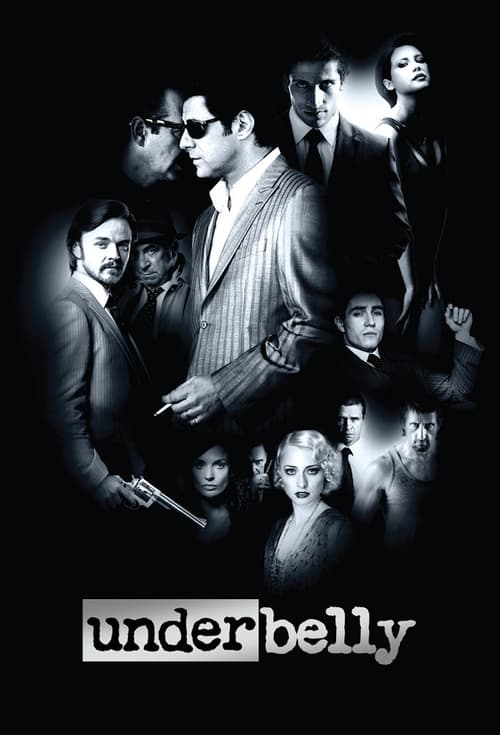 Underbelly (2008)6.5
Underbelly is an Australian television true crime-drama series, each series is a stand alone story based on real-life events.
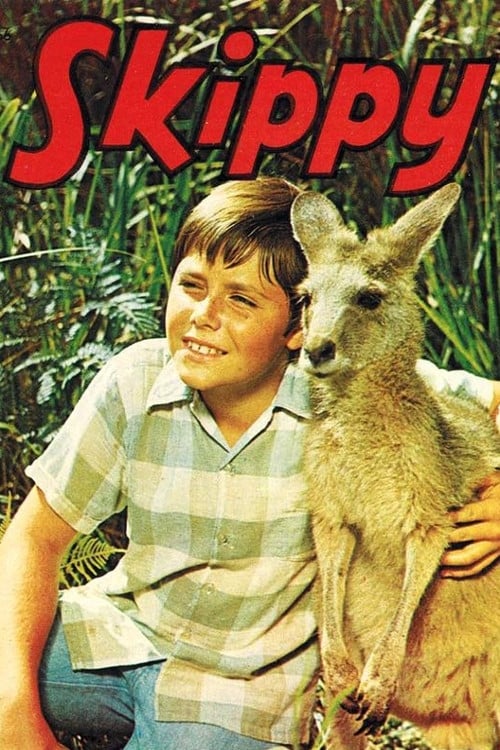 Skippy the Bush Kangaroo (1968)6.2
Skippy the Bush Kangaroo is an Australian television series telling the adventures of a young boy and his intelligent pet kangaroo, and the various visitors to the fictional Waratah National Park in Duffys Forest, near Sydney, New South Wales.
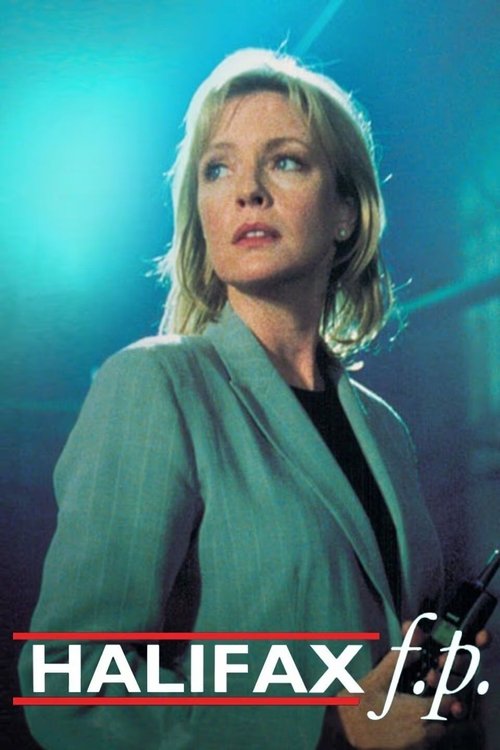 Halifax f.p. (1994)6.2
Halifax f.p. is an Australian television crime series produced by Nine Network from 1994 to 2002. The series stars Rebecca Gibney as Doctor Jane Halifax, a forensic psychiatrist investigating cases involving the mental state of suspects or victims. The series is set in Melbourne. The producers of the film were Beyond Simpson Le Mesurier; Australian Film Finance Corporation and aired on the Nine Network Australia Pty Ltd 21 Episodes of 90 and 102 minutes each were produced, and the series has screened in more than 60 countries. The budget for each episode was an average of $1.3 million. Funding came in part from the Australian Film Finance Corporation and Film Victoria.
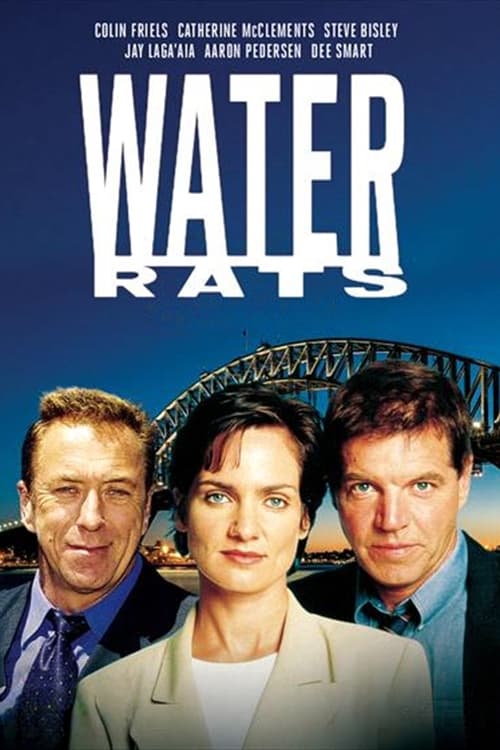 Water Rats (1996)6.2
Water Rats is an Australian TV police procedural broadcast on the Nine Network from 1996 to 2001.
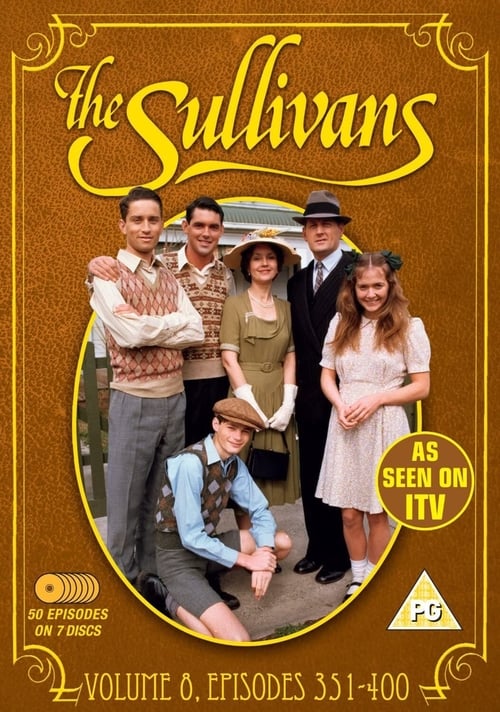 The Sullivans (1976)5.4
The Sullivans is an Australian drama television series produced by Crawford Productions which ran on the Nine Network from 1976 until 1983. The series told the story of an average middle-class Melbourne family and the effect World War II had on their lives. It was a consistent ratings success in Australia, and also became popular in the United Kingdom, Ireland, Netherlands, Gibraltar and New Zealand.
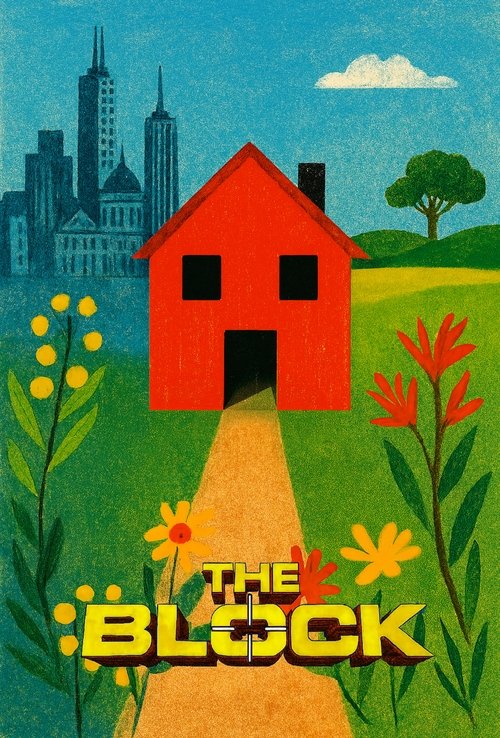 The Block (2003)5.4
Couples compete against each other to renovate houses and sell them at auction for the highest price.
 Sale of the Century (1980)4.8
$ale of the Century was an Australian game show that aired on the Nine Network from 14 July 1980 – 29 November 2001. Tony Barber hosted a game show with essentially the same format under the title Temptation from 1970 to 1976, and was also the initial host of Sale for over a decade before being replaced by Glenn Ridge in 1991. Hostesses over the years have included Victoria Nicholls, Delvene Delaney, Alyce Platt, Jo Bailey, Nicky Buckley and Karina Brown. Pete Smith was Sale's announcer for the majority of its run. Ron Neate was announcer for only the first ten episodes in 1980 before Smith took over. From 30 May 2005 – 23 January 2009, the series was revived under its original Australian title, Temptation. The Sale of the Century format has been used internationally.
 Big Brother (2001)4.1
Big Brother is an Australian reality show based on the international Big Brother format created by John de Mol. Following the premise of other versions of the format, the show features a group of contestants, known as "housemates" who live together in a specially constructed house that is isolated from the outside world. The housemates are continuously monitored during their stay in the house by live television cameras as well as personal audio microphones. Throughout the course of the competition, housemates are evicted from the house - eliminated from the competition. The last remaining housemate wins the competition and is awarded a cash prize.
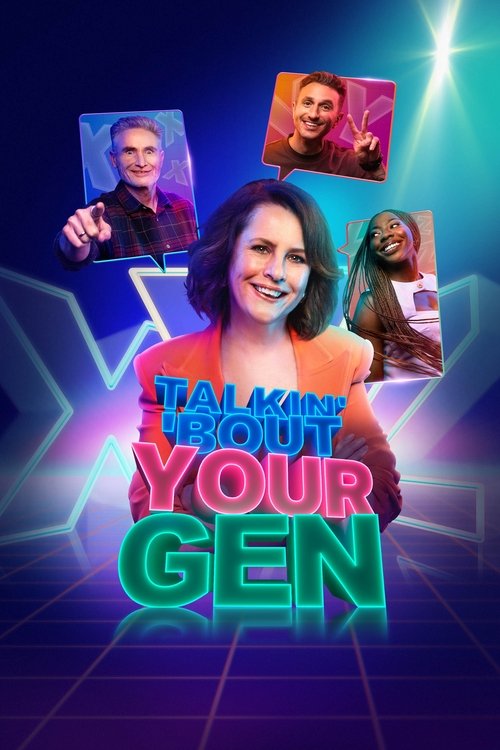 Talkin' 'Bout Your Generation (2009)3.3
Talkin' 'Bout Your Generation is an Australian game show produced by Granada Productions which premiered on Network Ten on 5 May 2009. It is hosted by Shaun Micallef. The first series ran for 18 episodes, with the original production order extended due to the success of the show. A second series of 26 episodes began airing from 7 February 2010. Series 2 had a planned hiatus after episode 10 on 18 April 2010 and returned to finish its run on 1 August 2010. Series 3 began on 8 February 2011. On 27 October 2011, Talkin' 'Bout Your Generation was renewed for a fourth series. On 22 January 2012, it was announced that the show would begin airing Series 4 on 1 February 2012 in an 8 pm timeslot.